
Saffron
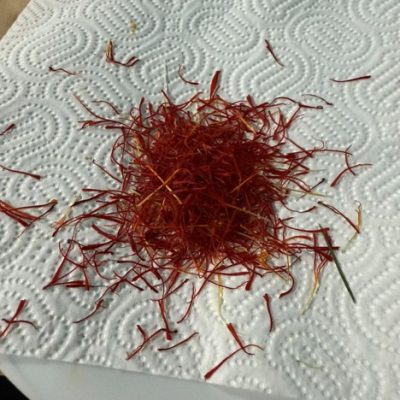
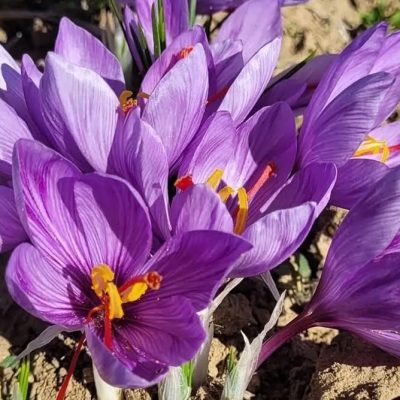
SAFFRON - THE QUEEN OF FLOWERS
Saffron acts on the human body primarily as a potent antioxidant, neuroprotector, and mood regulator. Derived from the Crocus sativus flower, its unique biological active compounds—crocin, crocetin, and safranal—influence cellular pathways, brain chemistry, and systemic inflammation. While safely consumed as a culinary spice, standardized concentrated extracts have distinct physiological effects across multiple organ systems. It enhance the quality of odors of all kinds of flowers, foods, etc.


🧠 Effects on the Brain and Nervous System
Saffron’s most thoroughly researched interactions occur within the central nervous system.
- Neurotransmitter Regulation: Compounds like crocin block the reuptake of dopamine, serotonin, and norepinephrine. By keeping these chemicals active in the brain longer, saffron can alleviate mild-to-moderate depression and anxiety.
- Cognitive Support: It helps suppress neuroinflammation and inhibits the accumulation of beta-amyloid proteins. Early clinical trials suggest this can support memory, focus, and potentially slow cognitive decline in mild Alzheimer’s and Parkinson’s diseases.
- Sleep and Stress Management: Safranal promotes the activity of GABA (a calming neurotransmitter) and supports evening melatonin production, aiding in deeper sleep and lower perceived stress.
🩸 Effects on Metabolic and Cardiovascular Health
The systemic antioxidant properties of saffron help shield cells from oxidative stress.
- Cardioprotection: Saffron’s pigments protect cardiac cells from ischemic damage and prevent platelet aggregation (blood clotting), promoting overall arterial health.
- Blood Sugar and Insulin Sensitivity: Clinical studies demonstrate that saffron can reduce markers of cellular damage in individuals with Type 2 diabetes by stabilizing blood glucose and improving insulin receptor sensitivity. [1, 2]
👁️ Effects on Vision and Other Organs
- Eye Health: Saffron accumulates in the retina, where it shields photoreceptor cells from light-induced damage. Patients with early-stage age-related macular degeneration (AMD) have reported improvements in color perception and low-light reading ability.
- Hormonal Balance: Saffron acts via the central nervous system to reduce the severity of emotional and physical symptoms associated with Premenstrual Syndrome (PMS).
*Saffron is used to enhance the attractiveness of other flowers’ odors such as Lily, Rose, etc.