Hemp
Why is hemp special?
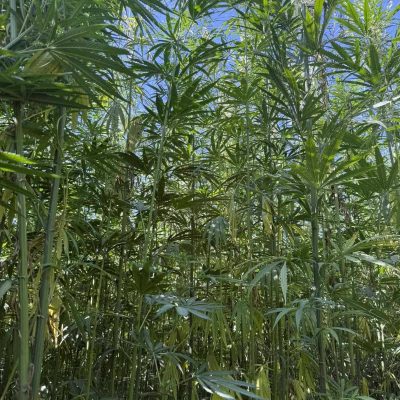
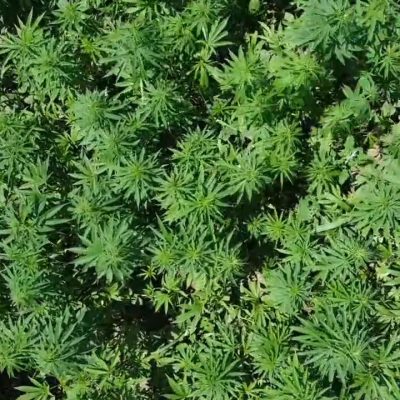
Hemp (Cannabis sativa) is defined as cannabis containing 0.3% or less THC, hemp provides medical and nutritional benefits without causing a psychoactive "high." The therapeutic properties of hemp can be divided into two categories: cannabinoid-based medical treatments (derived from the plant's flowers and leaves) and dietary health benefits (derived from the seeds and seed oil).


📈 FDA-Approved Medical Uses
The primary clinical breakthrough for hemp involves its non-psychoactive compound, cannabidiol (CBD).
- Severe Epilepsy Management: The U.S. Food and Drug Administration (FDA) has approved Epidiolex, a purified CBD drug derived from cannabis/hemp. It is clinically proven to drastically reduce seizures in rare, severe forms of childhood epilepsy, including Dravet syndrome and Lennox-Gastaut syndrome.
💡 Nutritional & Cardiovascular Merits
Hemp seeds—often called hemp hearts—are a nutritional powerhouse that support long-term wellness:
- Rich Complete Protein: Hemp seeds are one of the few plant-based foods that represent a complete protein, meaning they contain all nine essential amino acids required by the human body.
- Cardiovascular Protection: Hemp seeds contain high amounts of the amino acid arginine, which produces nitric oxide in the body. Nitric oxide causes blood vessels to dilate and relax, which helps lower blood pressure and reduces the risk of heart disease.
- Ideal Fatty Acid Profile: Hemp seed oil boasts a highly favorable 3:1 ratio of omega-6 to omega-3 fatty acids. This balance is optimal for supporting heart health and reducing total cholesterol and “bad” LDL cholesterol levels.
🔎 Topical & Dermatological Relief
The fatty acids extracted from cold-pressed hemp seeds(seed oil) offer exceptional benefits for skin barrier integrity:
- Managing Eczema & Dermatitis: Clinical research shows that regular oral consumption of hemp seed oil significantly improves symptoms of atopic dermatitis (eczema), reducing skin dryness, itchiness, and the need for topical medications.
- Anti-Inflammatory Action: Hemp is rich in gamma-linolenic acid (GLA), a potent anti-inflammatory omega-6 fatty acid. Topical and dietary GLA helps calm inflammatory skin conditions such as psoriasis and acne.
Cannabidiol (CBD) is a prominent, non-psychoactive compound extracted directly from the cannabis or hemp plant. Unlike tetrahydrocannabinol (THC), CBD does not produce a “high”. Instead, it interacts with the body’s endocannabinoid system and neuroreceptors to offer a range of clinically verified and emerging therapeutic benefits. [1, 2, 3, 4]
The primary healthcare merits of CBD, spanning from strictly regulated medical uses to common wellness applications, include:
🧠 FDA-Approved Neurological Treatment
The most rigorous scientific validation for CBD is its application in neurology.
- Seizure Reduction: The FDA has approved Epidiolex, a highly purified, pharmaceutical-grade CBD prescription drug. It is clinically proven to drastically reduce life-threatening seizures in pediatric and adult patients suffering from Dravet syndrome, Lennox-Gastaut syndrome, and tuberous sclerosis complex (TSC). CBD achieves this by raising the brain’s excitatory threshold, preventing hyperactive electrical misfires. [1, 2, 3]
⚡ Chronic Pain and Inflammation Management
CBD is widely utilized as a natural anti-inflammatory agent. [1]
- Interacting with Pain Receptors: According to clinical summaries from Harvard Medical School, CBD targets endocannabinoid receptor activity to lower inflammatory response and dampen neuropathic pain pathways. [1]
- Targeted Topical Use: When applied to the skin as a cream or oil, CBD bypasses the digestive tract to soothe localized joint or muscle pain, making it a popular complementary option for individuals managing arthritis and fibromyalgia. [, 2, 3]
🧘 Anxiety Reduction and Mental Health Support
CBD exerts a calming effect on the central nervous system, making it an effective tool for mood regulation. [1]
💤 Sleep Architecture and Insomnia Relief
Unlike traditional sleeping pills, CBD behaves as a sleep regulatory agent rather than a heavy sedative. [1]
- Anxiety-Driven Insomnia: Studies note that CBD stabilizes sleep patterns largely by addressing the underlying disruptors of deep sleep, such as physical pain and anxious hyperarousal. [1]
- Dose-Dependent Efficacy: Research indicates that while low doses can encourage relaxation, moderate to high doses (often tested alongside or compared to melatonin) help individuals stay in non-REM sleep longer and improve subjective sleep scores. [1, 2]
🫀 Cardiovascular and Skin Benefits
- Blood Pressure Moderation: Early clinical trials suggest that short-term CBD usage can help widen blood vessels and decrease resting blood pressure. This vascular relaxation may provide protective advantages for heart health.
- Dermatological Balance: Due to its sebostatic and anti-inflammatory properties, topical CBD helps calm overactive skin cells, offering relief from severe acne, eczema, and psoriasis. [1, 2, 3]
Direct Comparison: Pharmaceutical vs. Over-the-Counter CBD
| Feature | Pharmaceutical CBD (e.g., Epidiolex) | Over-the-Counter CBD (Oils, Tinctures, Edibles) |
|---|---|---|
| Regulation | Extensively reviewed and monitored by the FDA | Generally unregulated for purity or exact dosage |
| Purity | Guaranteed 99%+ pure CBD isolation | May contain trace amounts of other cannabinoids or THC |
| Intended Use | Specific medical conditions (e.g., severe epilepsy) | General wellness (stress, sleep support, minor aches) |
| Access | Requires a medical prescription | Available over-the-counter or online |
Note: CBD can interact with certain prescription medications by altering how your liver processes them. It is always best to consult a doctor before starting a new regimen.
🌿 A Health Guide to Hemp: Flowers, Leaves, and Seed Oil
When sharing information with general health-conscious consumers, it is helpful to categorize the hemp plant by its parts. The flowers and leaves are used for therapeutic relief, while the seeds and seed oil serve as nutrient-dense dietary products.
🍵 1. Hemp Flowers & Leaves (For Tea & Infusions)
Hemp tea is brewed from the dried leaves and cannabinoid-rich flower buds of the plant. It is caffeine-free and acts as an excellent herbal wellness drink. [1, 2]
- Stress and Anxiety Relief: Hemp flowers naturally contain the highest concentration of CBD (cannabidiol) and CBDa. When consumed as a tea, it interacts with brain receptors to soothe the central nervous system, helping to calm acute stress and daily anxiety. [1, 2, 3]
- Natural Sleep Aid: Because it lacks caffeine and contains relaxing cannabinoids, a cup of hemp tea before bed helps improve sleep quality. It assists individuals in falling asleep faster and remaining in a restful, deep sleep state without a morning “hangover” effect. [1, 2, 3]
- Digestive Comfort: The natural flavonoids and cannabinoids in hemp leaves help calm stomach tissues. This can offer relief from mild bloating, nausea, and general digestive discomfort. [, 2]
- 💡 Crucial Brewing Tip for Consumers: Cannabinoids like CBD are fat-soluble, meaning they do not dissolve well in plain water. To fully unlock the calming benefits of hemp tea, consumers should add a splash of milk, cream, or a bit of coconut oil to the hot water while steeping to help pull the CBD out of the plant material. [1]
🥗 2. Hemp Seed Oil (For Dietary Products)
Hemp seed oil is a cold-pressed culinary oil derived strictly from hemp seeds. It is used as a dietary supplement or salad dressing rather than a therapeutic medicine. [1, 2]
- The Reality of CBD Content: It is vital to tell consumers that true hemp seed oil contains only trace, negligible amounts of CBD (usually less than 0.01%). The seeds do not naturally produce cannabinoids. Any micro-amounts present are simply due to trace contact with the plant’s leaves during harvesting. It will not cause a cannabinoid-driven health effect, but it is highly valued for its nutrition. [1, 2, 3, 4]
- Optimal Heart Health (Omega Ratio): While low on CBD, hemp seed oil is exceptionally rich in polyunsaturated fatty acids. It provides an ideal 3:1 ratio of Omega-6 to Omega-3, which supports optimal cardiovascular health, lowers bad cholesterol, and protects blood vessels. [1, 2]
- Anti-Inflammatory Properties: It contains gamma-linolenic acid (GLA), a unique fatty acid that helps lower systemic inflammation in the body and supports healthy metabolism. [1, 2]
- Glowing Skin and Cellular Health: Regularly consuming dietary hemp seed oil hydrates skin from the inside out. It has been shown to reduce the itching and dryness associated with chronic skin conditions like eczema and dermatitis. [1, 2]
🍵 Hemp Flower & Leaf Tea
Crafted from pure, hand-picked hemp flowers and leaves for relaxation and calm.
The Health Merits
- Natural Stress Relief: Rich in natural CBD and CBDa, this herbal infusion helps calm an overactive nervous system and ease daily anxiety.
- Restful Sleep: Naturally caffeine-free, a warm cup before bed helps soothe your mind and body for deeper, uninterrupted sleep.
- Digestive Comfort: Herbal compounds in the leaves gently soothe the digestive tract to help reduce bloating and mild stomach discomfort.
How to Brew (Step-by-Step)
- Boil: Bring fresh water to a rolling boil (approx. 95°C / 200°F).
- Measure: Add 1 to 2 teaspoons of dried hemp leaves/flowers into your tea infuser or mug.
- The Secret Ingredient: Add a splash of whole milk, cream, coconut oil, or butter to your mug. (Why? Cannabinoids like CBD are fat-soluble. They need a healthy fat to dissolve into the liquid so your body can absorb them!).
- Steep: Pour hot water over the hemp and let it steep for 5 to 8 minutes depending on your desired strength.
- Enjoy: Remove the infuser, sweeten with honey if desired, and sip slowly.
🥗 Cold-Pressed Hemp Seed Oil
A nutrient-dense, plant-based superfood raw oil for daily vitality.
The Health Merits
- Optimal Heart Health: Packed with the perfect 3:1 ratio of Omega-6 to Omega-3 fatty acids, which helps lower bad cholesterol and supports your cardiovascular system.
- Radiant Skin From Within: Regular dietary use hydrates the skin at a cellular level, helping to soothe dryness, eczema, and irritation.
- Natural Anti-Inflammatory: Contains Gamma-Linolenic Acid (GLA), which supports metabolic health and helps reduce systemic inflammation.
- Note on CBD Content: Our dietary hemp seed oil is prized for its healthy fats and vitamins. It contains only trace, negligible amounts of CBD (less than 0.01%) because the seeds do not naturally produce cannabinoids. It is a nutritional superfood, not a medicine!
How to Use (Daily Intake)
- Daily Serving: We recommend taking 1 to 2 tablespoons daily.
- As a Food Blend: Drizzle over salads, blend into morning smoothies, stir into warm soups, or use as a dipping oil for bread.
- ⚠️ Crucial Kitchen Note: Do not use hemp seed oil for high-heat frying or cooking. High heat destroys the delicate Omega fatty acids and ruins the nutritional value. Keep it raw!
- Storage: Keep the bottle tightly sealed and store it in your refrigerator after opening to preserve its freshness and prevent spoilage.
💡 Quick Comparison Checklist
| Product Type | What it Contains | Best Used For | Key Instruction |
|---|---|---|---|
| Flower & Leaf Tea | Active CBD, CBDa, Herbal Terpenes | Stress relief, anxiety, and better sleep | Always steep with a splash of milk or fat. |
| Hemp Seed Oil | Omega 3 & 6, GLA, Vitamin E | Heart health, glowing skin, and nutrition | Eat it raw; do not heat or fry with it. |