
Wheat Flour & Bran
Wheat Bran & Whole Wheat
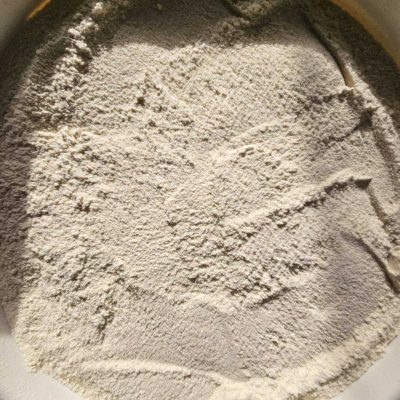
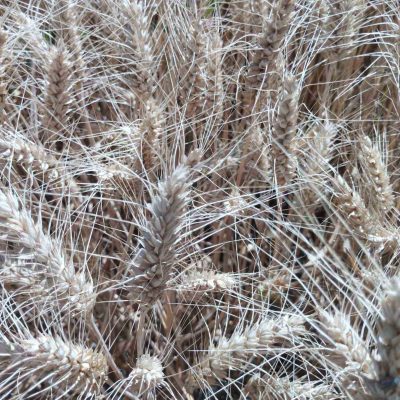
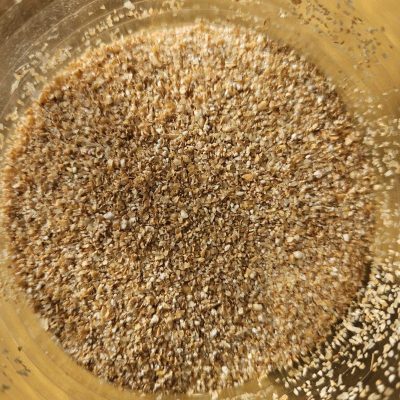
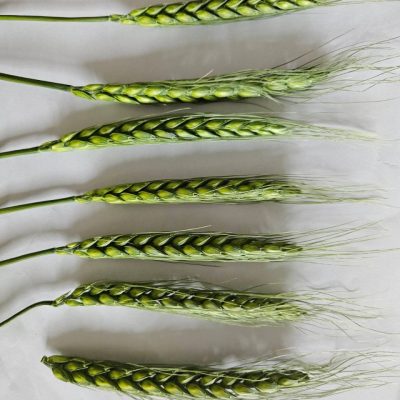
Wheat bran and whole wheat offer profound healthcare merits, primarily driven by their dense concentrations of dietary fiber, essential micronutrients, and bioactive plant compounds. While whole wheat represents the complete grain kernel, wheat bran is the isolated, fiber-rich outer protective shell. Both play pivotal roles in disease prevention, metabolic control, and optimal gastrointestinal function. The core healthcare differences between the two stem from their anatomical composition: Wheat Bran: The outer husk. It acts as a highly concentrated shot of insoluble fiber, B-vitamins, and major minerals. Whole Wheat: The entire package. It retains the bran, the germ (nutrient-dense core rich in healthy fats and Vitamin E), and the endosperm (the starchy mid-layer supplying complex carbohydrates and protein).
Digestive and Gut Health Merits
- Relief and Prevention of Constipation: Wheat bran is one of nature’s most concentrated sources of insoluble fiber. It accelerates transit times through the colon and adds significant physical volume to stool. It is proven more effective at improving fecal bulk than oats or various fruits.
- Prebiotic Microbiome Support: The arabinoxylans and oligosaccharides present in the bran function as prebiotics. They nourish beneficial gut bacteria, leading to the production of short-chain fatty acids (SCFAs) that reinforce the intestinal lining.
- Lowering Diverticular Risk: Regular intake of the coarse fiber found in whole wheat structures protects against the formation of painful pouches in the colon wall (diverticulosis).
Metabolic and Cardiovascular Protections
- Glycemic Control and Diabetes Management: Both options possess a low glycemic index compared to refined grains. The fiber matrix in whole wheat drastically slows down carbohydrate breakdown, avoiding sharp blood sugar and insulin spikes. Furthermore, whole wheat is highly abundant in magnesium—a mineral essential for insulin sensitivity.
- Cardioprotective Action: Longitudinal studies consistently link whole wheat consumption to reduced risks of coronary heart disease and stroke. The fiber binds to dietary cholesterol in the digestive tract, aiding its excretion and lowering circulating “bad” LDL cholesterol.
- Weight Regulation: High fiber density increases satiety and triggers fullness hormones. This reduces overall spontaneous caloric intake, supporting sustainable weight management.
Antioxidant and Cancer-Preventive Compounds
- Colorectal Cancer Reduction: The rapid clearing of waste from the colon reduces the time potential carcinogens spend in contact with the intestinal epithelium.
- Phytochemical Shielding: Wheat bran contains strong phenolic compounds (such as ferulic acid), phytic acid, and lignans. These act as powerful antioxidants that neutralize cellular free radicals, slow tumor progression mechanisms, and control cell oxidative stress.
Direct Nutritional Comparison
| Component | Wheat Bran (Isolated Outer Husk) | Whole Wheat (Intact Grain Kernel) |
|---|---|---|
| Primary Micronutrients | Concentrated Iron, Magnesium, Phosphorus, Zinc, and Selenium. | Balanced profile of B-vitamins, Vitamin E, Iron, and Magnesium. |
| Fiber Profile | Extremely high in insoluble fiber (~43% by weight). | Moderate fiber, combined with complex carbohydrates and proteins. |
| Caloric Context | Low in calories; very minimal starch. | Higher in calories; provides sustained, slow-burn energy. |
| Best Health Use-Case | Resolving acute digestive issues, targeted fiber boosts, or specific calorie cutting. | Daily dietary baseline for sustained energy, heart health, and holistic nutrient synergy. |
Note: Individuals with celiac disease, non-celiac gluten sensitivity, or those experiencing active flare-ups of Inflammatory Bowel Disease (IBD) should manage or avoid wheat products, as they contain gluten and high-FODMAP fru
To maximize the healthcare benefits of wheat bran and whole wheat, you can target specific medical or wellness goals and apply easy, seamless integration strategies into your daily meals.
Part 1: Tailoring to Specific Health Goals
Goal 1: Relieving Chronic Constipation & Sluggish Bowels
- The Strategy: Prioritize isolated wheat bran. Its concentrated insoluble fiber physically adds bulk and speeds up transit times better than almost any other fiber.
- Target Intake: Aim for 20 to 25 grams of wheat bran per day (about 3 to 4 tablespoons of raw bran, or a half-cup of high-bran cereal).
- Crucial Rule: You must dramatically increase your water intake. Without enough fluids, highly concentrated insoluble fiber can harden stool and cause bloating or mild blockage.
Goal 2: Reversing Insulin Resistance & Managing Type 2 Diabetes
- The Strategy: Base your diet on 100% whole wheat substitutes. The combination of its intact fiber matrix and high magnesium content naturally regulates glucose absorption, avoiding sharp blood sugar spikes.
- Target Intake: Replace at least half of your daily grain intake with pure whole grains.
Goal 3: Lowering “Bad” LDL Cholesterol & Heart Protection
- The Strategy: Use a hybrid approach. The phytochemicals, lignans, and fiber present in whole wheat bind with dietary cholesterol in the digestive tract, moving it safely out of the body before it can enter the bloodstream.
Part 2: Easy Culinary Integration Strategies
Many people find the texture of raw wheat bran or the dense nature of 100% whole wheat challenging at first. You can easily transition by using these quick, seamless swaps:
Simple Whole Wheat Swaps
- The “Switch-by-Half” Method: If you find 100% whole-wheat pasta or brown rice too dense, mix them 50/50 with standard white pasta or white rice. This helps adjust your palate gradually.
- The Tortilla Exchange: Swap standard flour tortillas for 100% whole-wheat tortillas. They work identically for morning egg wraps, lunchtime turkey wraps, or quick quesadillas but instantly double your fiber intake.
- The First Ingredient Rule: When buying bread, crackers, or English muffins, ignore marketing claims on the front. Look directly at the back panel and ensure “100% whole wheat flour” is listed as the very first ingredient.
Sneaking Wheat Bran Into Existing Meals
Because raw wheat bran has a mild, slightly nutty flavor, it can be hidden in foods you already enjoy:
- The Morning Fortification: Stir 1 to 2 tablespoons of raw wheat bran directly into hot oatmeal, Greek yogurt, or fruit smoothies. It blends effortlessly and adds texture without altering the taste.
- Savory Breadings & Mixes: When making meatballs, meatloaf, or homemade burgers, replace standard white breadcrumbs with a 50/50 mix of wheat bran and whole-wheat flour. You can also use it to lightly coat chicken breast or fish before baking.
- Wholesome Baking Adjustments: If you bake pancakes, waffles, or muffins from scratch (or use a box mix), stir in 1/2 cup to 1 cup of wheat bran directly into the batter. It pairs beautifully with mashed bananas, applesauce, or cinnamon.
Important Integration Timeline
| Week | Action Plan | Why? |
|---|---|---|
| Week 1 | Start with 1 tablespoon of raw wheat bran or one serving of whole-wheat bread daily. | Gives your gut microbiome time to adjust without causing sudden gas or bloating. |
| Week 2 | Step up to 2 tablespoons of bran or swap out your lunch grains for whole wheat. | Gradually builds your tolerance while introducing essential micronutrients. |
| Week 3+ | Reach your ideal targets (20–30 grams of fiber daily) from a variety of whole grains. | Establishes long-term digestive regularity and steady metabolic defense. |
To maximize the healthcare benefits of wheat bran and whole wheat, you can target specific medical or wellness goals and apply easy, seamless integration strategies into your daily meals.
- Goal 1: Relieving Chronic Constipation & Sluggish Bowels
- The Strategy: Prioritize isolated wheat bran. Its concentrated insoluble fiber physically adds bulk and speeds up transit times better than almost any other fiber.
- Target Intake: Aim for 20 to 25 grams of wheat bran per day (about 3 to 4 tablespoons of raw bran, or a half-cup of high-bran cereal).
- Crucial Rule: You must dramatically increase your water intake. Without enough fluids, highly concentrated insoluble fiber can harden stool and cause bloating or mild blockage.
- Goal 2: Reversing Insulin Resistance & Managing Type 2 Diabetes
- The Strategy: Base your diet on 100% whole wheat substitutes. The combination of its intact fiber matrix and high magnesium content naturally regulates glucose absorption, avoiding sharp blood sugar spikes.
- Target Intake: Replace at least half of your daily grain intake with pure whole grains.
- Goal 3: Lowering “Bad” LDL Cholesterol & Heart Protection
- The Strategy: Use a hybrid approach. The phytochemicals, lignans, and fiber present in whole wheat bind with dietary cholesterol in the digestive tract, moving it safely out of the body before it can enter the bloodstream.